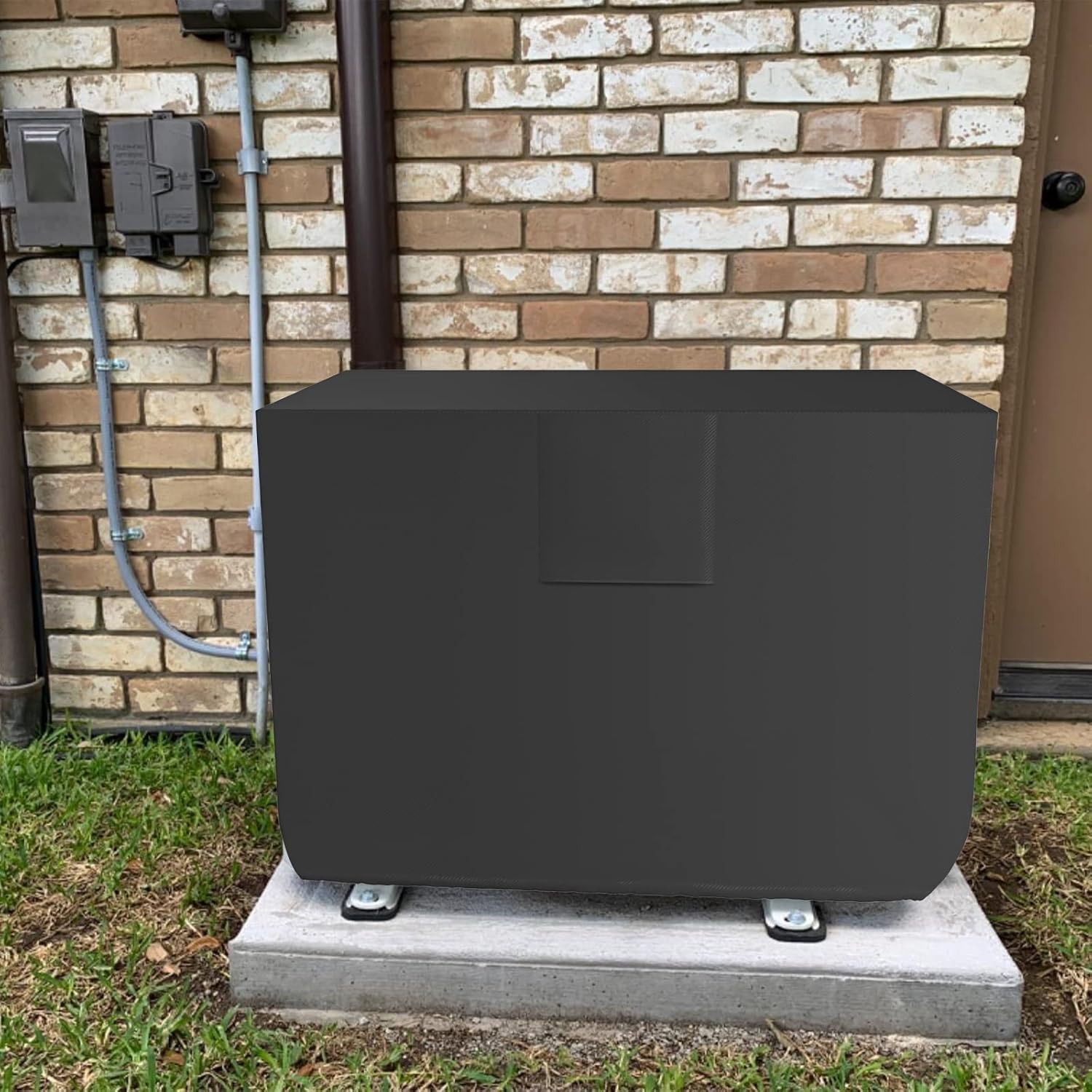

The Complete Guide
How to Choose the Right Split Air Conditioner Cover | Split AC Cover | Covers For Mini Splits
Why Your Outdoor Furniture Needs a Cover
Australia's climate presents unique challenges for any outdoor equipment, and your split air conditioner's outdoor unit is no exception. With UV index readings regularly exceeding 10 during summer months, intense sunlight can degrade plastic components, fade finishes, and reduce the operational lifespan of your expensive split system. The best split air conditioner cover acts as a protective barrier against these harsh elements, preserving your investment for years to come.
Beyond UV damage, Australian conditions include sudden summer storms that can deposit debris, leaves, and dirt directly into your outdoor condenser unit. Coastal properties face the additional challenge of salt air corrosion, while inland areas contend with dust storms and extreme temperature fluctuations. A quality weatherproof split AC cover shields your unit from all these threats, reducing maintenance requirements and preventing costly repairs.
During the cooler months when your air conditioner sits idle, an uncovered outdoor unit becomes a haven for spiders, insects, and even small animals seeking shelter. A properly fitted mini split unit cover keeps unwanted visitors out while preventing cold drafts from entering your home through the AC system, potentially reducing your heating energy costs.
What Makes a Quality Outdoor Furniture Cover
Not all covers are created equal, and understanding what separates a premium heavy duty split air conditioner cover from inferior alternatives will help you make an informed purchasing decision.
Superior Waterproof Materials
The foundation of any best waterproof split AC cover is its fabric construction. Look for covers made from PVC Oxford or similar high-grade materials that offer genuine waterproofing rather than mere water resistance. Quality waterproof fabrics prevent moisture penetration even during prolonged exposure to heavy rain, protecting the electrical components and metal surfaces of your outdoor unit from rust and corrosion.
The material should also offer UV resistance to withstand Australia's intense sunlight without becoming brittle, cracking, or losing its protective properties. A UV resistant split AC cover will maintain its integrity season after season, providing consistent protection when you need it most.
Ventilation and Moisture Management
While keeping rain out is essential, trapping moisture inside the cover creates an entirely different problem. The best all weather mini split cover incorporates mesh ventilation panels or vents that allow air circulation while preventing condensation buildup. This thoughtful design feature ensures your outdoor unit remains dry and healthy, even when covered for extended periods.
Without adequate ventilation, covers can create a humid microenvironment that promotes mould growth and accelerates corrosion — the very problems you're trying to prevent. Look for covers specifically designed with this airflow consideration in mind.
Secure Fastening Systems
Australian weather can turn quickly, with calm conditions giving way to strong winds in minutes. The best outdoor mini split cover with straps features secure fastening mechanisms that keep the cover firmly in place during adverse weather. Adjustable cinch ropes, elastic hems, buckle straps, or drawstring closures all serve this purpose.
A cover that blows away at the first sign of wind offers no protection at all, so this seemingly simple feature is actually critical to effective performance. Quality split AC unit protectors are designed to stay put through storms, providing reliable coverage when conditions are at their worst.
How to Measure Your Outdoor Furniture
Accurate measurements are essential for selecting the right cover for mini splits. An undersized cover won't provide adequate protection, while an oversized cover may flap in the wind, potentially causing damage or allowing debris entry.
Begin by measuring the width of your outdoor condenser unit at its widest point, typically across the front face. Next, measure the depth from front to back, accounting for any protruding pipes or connections. Finally, measure the height from the base to the top of the unit.
Record all measurements in both centimetres and inches to make comparison shopping easier. When selecting your cover size, aim for dimensions that exceed your unit's measurements by approximately 2-5 centimetres on each side. This allows for easy installation and removal while still maintaining a snug, secure fit.
Remember to note your unit's BTU rating as well, as many mini split system covers are sized according to capacity. A cover designed for units up to 18,000 BTU, for example, should comfortably fit most standard residential split systems.
Fixed Size vs Custom Made
When shopping for the best split air conditioning unit cover, you'll encounter both standard fixed-size options and custom-made alternatives. Each approach has distinct advantages depending on your specific needs.
Fixed-size covers offer immediate availability and typically lower price points. Manufacturers design these covers to fit the most common outdoor unit dimensions, making them suitable for the majority of standard installations. If your unit falls within the specified size range, a quality fixed-size cover provides excellent protection without the wait time or premium cost of custom fabrication.
Custom-made covers are ideal for unusually sized units, unique installations, or situations where a precise fit is essential. These covers are fabricated to your exact specifications, ensuring complete coverage without excess material. While custom options cost more and require longer lead times, they may be the only solution for non-standard equipment.
For most Australian homeowners, a well-designed fixed-size weatherproof ductless air conditioner cover in the appropriate size range offers the best balance of protection, convenience, and value.
How to Care for Your Cover
Proper maintenance extends the lifespan of your heavy duty mini split cover and ensures it continues providing effective protection season after season.
Regular cleaning prevents the buildup of dirt, pollen, bird droppings, and other contaminants that can degrade the fabric over time. Remove your cover periodically and rinse it thoroughly with clean water from a garden hose. For stubborn stains, use a soft-bristled brush with a mild soap solution, then rinse completely to remove all soap residue.
Always allow your cover to dry completely before replacing it on your unit or storing it away. Storing a damp cover promotes mould and mildew growth, which can permanently damage the fabric and create unpleasant odours. If possible, dry your cover in the shade rather than direct sunlight to minimise unnecessary UV exposure.
Inspect your cover regularly for signs of wear, paying particular attention to seams, fastening points, and areas that receive the most sun exposure. Addressing minor damage early, such as re-stitching a loose seam, can prevent small issues from becoming major problems.
When storing your cover during periods of non-use, fold it loosely rather than compressing it tightly, and keep it in a cool, dry location away from direct sunlight and potential pest activity.
Common Mistakes to Avoid
Even the best outdoor split AC cover won't perform optimally if used incorrectly. Avoid these common mistakes to maximise your cover's effectiveness and lifespan.
Operating your air conditioner while covered is the most critical error to avoid. Running your split system with the cover in place restricts airflow to the condenser, causing the unit to overheat and potentially suffer serious damage. Always remove the cover completely before turning on your air conditioner, even for brief periods.
Choosing the wrong size compromises protection and can cause additional problems. A cover that's too small leaves portions of your unit exposed, while an excessively large cover catches wind and may damage the unit or blow away entirely. Take accurate measurements and select the closest appropriate size.
Neglecting ventilation leads to moisture problems. If your cover lacks built-in ventilation, consider leaving a small gap at the bottom to allow air circulation, particularly in humid coastal areas. Never seal a cover completely airtight around your outdoor unit.
Ignoring maintenance shortens your cover's useful life dramatically. Covers caked with dirt and debris lose their waterproof properties faster and become more susceptible to UV damage. A few minutes of regular cleaning pays dividends in extended protection.
Forgetting seasonal removal can also cause issues. While protecting your unit during the off-season makes sense, leaving a cover in place year-round when you're regularly using your air conditioner serves no purpose and creates additional hassle. Establish a routine of covering your unit only when it will remain unused for extended periods.
By selecting a quality split AC cover, measuring carefully, and following proper care guidelines, you'll extend the life of your air conditioning system while reducing maintenance costs and ensuring reliable performance throughout the harsh Australian climate.