
The Complete Guide
How to Choose the Right Bicycle Cover | Bike Cover | Cover For Bikes
Why Your Outdoor Furniture Needs a Cover
Australia's climate presents unique challenges for anything stored outdoors, and your bicycles are no exception. With UV index readings regularly exceeding 10 during summer months, the intense Australian sun can cause significant damage to bike components, fading paint, degrading rubber tyres and grips, and weakening plastic parts. Finding the best bicycle cover is essential for protecting your investment from these harsh conditions.
Beyond UV damage, Australian weather patterns bring sudden summer storms, coastal salt air in seaside suburbs, and dust from our arid inland regions. Without proper protection, your bikes face accelerated wear and corrosion that can affect both their appearance and functionality. A quality best outdoor bicycle cover creates a barrier against these elements, keeping your bikes in peak condition year-round.
The cost of replacing damaged bike components far exceeds the investment in a quality cover. Whether you own a high-end road bike worth thousands or a reliable commuter, protecting your bicycle with the best weatherproof bike cover makes sound financial sense. It's not just about aesthetics — exposure to the elements can compromise brake cables, chain mechanisms, and electronic components on modern e-bikes.
What Makes a Quality Outdoor Furniture Cover
When searching for the best bike cover for outdoor storage, several key features separate premium covers from inferior alternatives. Understanding these factors helps you make an informed decision that will protect your bicycles for years to come.
Waterproof and UV Resistant Materials
The foundation of any best waterproof bike cover is its fabric construction. Look for tough, heavy-duty materials with proper waterproof backing rather than simple water-resistant coatings that deteriorate over time. The best UV resistant bike cover will specifically mention UV protection or stabilisation, which prevents the fabric from breaking down under intense Australian sunlight.
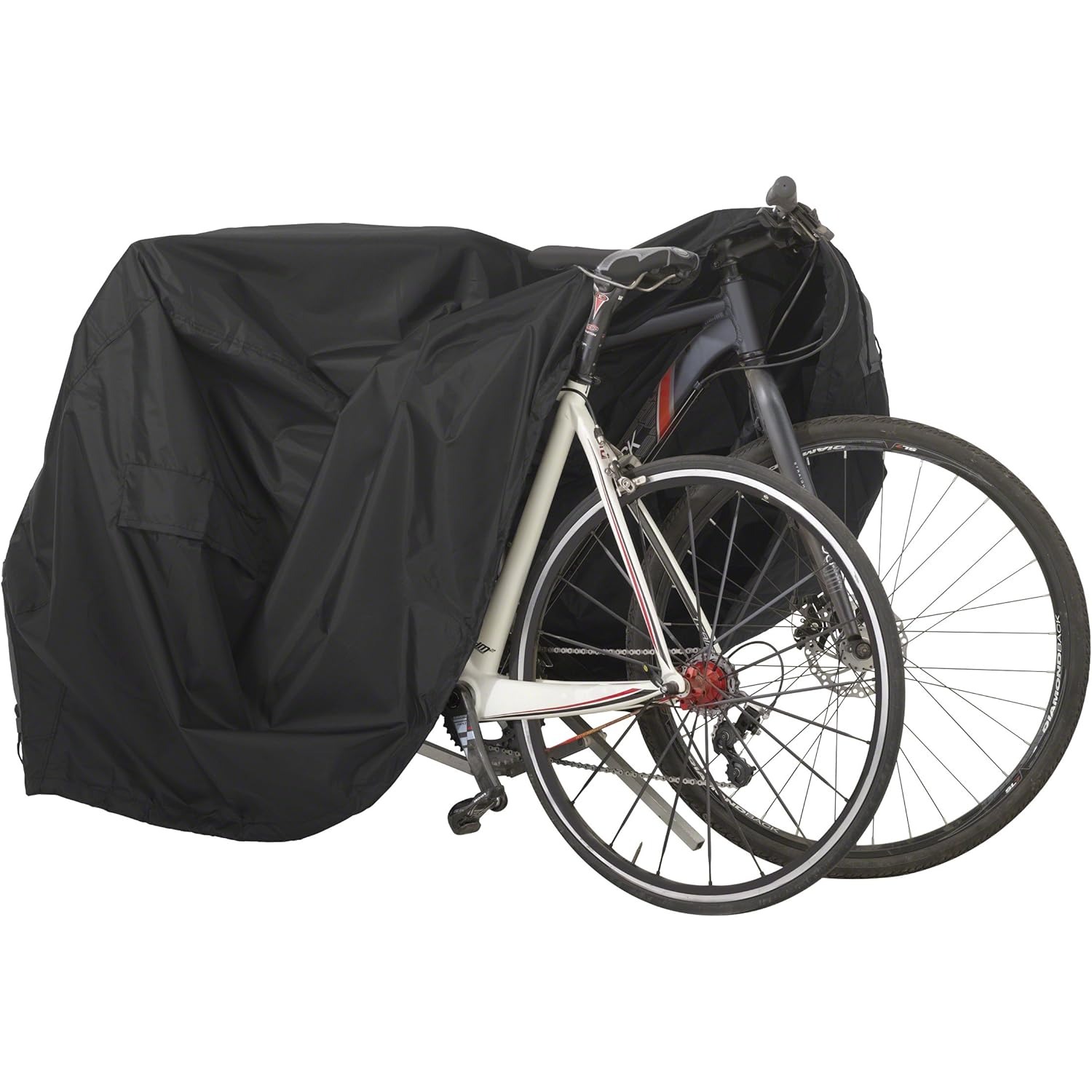
Quality covers feature sealed seams that prevent water ingress at the stitching points — a common failure point in cheaper alternatives. The best heavy duty bicycle cover will use reinforced fabric in high-stress areas where the cover contacts bike frames, handlebars, and pedals. Air vents are another crucial feature, reducing condensation buildup that can cause rust and mould while also preventing wind lofting that can blow covers away during storms.
Security Features for Peace of Mind
For many Australians, bikes are stored in carports, on apartment balconies, or in front yards where security is a concern. The best bike cover with lock hole allows you to thread your U-lock or cable lock through designated ports, securing both the cover and your bicycle simultaneously. This best anti theft bike cover feature deters opportunistic thieves who might otherwise simply remove an unsecured cover.
Look for rip-and-grip lock ports that provide easy access for your security cables without compromising the cover's waterproof integrity. An elastic hem cord with toggles ensures a snug fit around your bikes, preventing the cover from being easily removed and keeping debris from blowing underneath.
Adjustability and Storage Convenience
The best double bike cover should feature adjustable panels that accommodate various bike sizes and configurations. Whether you're covering a single mountain bike or two road bikes side by side, adjustable cord locks allow you to customise the fit for optimal protection. This versatility means one cover can serve your needs even as your bike collection changes.
The best bicycle cover with carry bag includes an integrated storage pouch that keeps your cover compact and organised when not in use. This is particularly valuable for cyclists who ride regularly and need to quickly stow their cover before heading out. A quality storage bag also protects the cover itself from damage during storage.
How to Measure Your Outdoor Furniture
Accurate measurements are essential when selecting the best bicycle storage cover for your needs. Start by measuring your bike's overall length from the front of the front wheel to the rear of the back wheel. For multiple bikes, measure the combined width when positioned side by side as you plan to store them.
Consider any accessories that add to your bike's dimensions — panniers, child seats, baskets, or extended handlebars all increase the required cover size. It's always better to choose a slightly larger cover than to force a tight fit that stresses the fabric and seams.
For the best mountain bike cover or best road bike cover, account for the specific geometry of your bike style. Mountain bikes with wide handlebars and knobby tyres may require more width, while road bikes with dropped handlebars have different dimensional profiles. Take measurements with your bike in its typical storage configuration, including any kickstands deployed.
Fixed Size vs Custom Made
Most cyclists find that quality fixed-size covers with adjustable features meet their needs perfectly. The best all weather bicycle cover typically comes in sizes designed to accommodate standard bike dimensions, with adjustable panels providing flexibility for different configurations. These covers offer excellent value while providing comprehensive protection.
Adjustable covers are particularly advantageous if you own multiple bikes of different sizes or plan to upgrade your bike in the future. The adjustable front and back panels with cord locks allow you to cinch the cover snugly around one bike or expand it to cover two. This versatility makes fixed-size adjustable covers the most practical choice for most Australian cyclists.
Custom-made covers may be worth considering for unusual bike configurations, such as tandem bicycles, cargo bikes, or recumbent cycles. However, for standard road bikes, mountain bikes, and commuter bikes, a quality adjustable cover provides the best outdoor bike protector solution without the additional cost and waiting time of custom fabrication.
How to Care for Your Cover
Proper maintenance extends the life of your best bicycle dust cover and ensures ongoing protection for your bikes. Regular cleaning removes accumulated dirt, bird droppings, and tree sap that can degrade the waterproof coating over time. Use a soft cloth or sponge with mild soap and lukewarm water, avoiding harsh detergents or pressure washers that can damage the fabric.
Allow your cover to dry completely before folding and storing in its integrated bag. Storing a damp cover promotes mould and mildew growth that weakens the fabric and creates unpleasant odours. If your cover does develop mould spots, treat them with a diluted vinegar solution and allow to dry thoroughly in the sun.
Periodically inspect your cover for signs of wear, paying particular attention to seams, stress points, and the areas around lock ports. Early detection of small tears or worn spots allows for timely repairs before damage spreads. Many quality covers can be spot-repaired with fabric tape or patch kits, extending their useful life significantly.
Store your cover away from direct sunlight when not in use to preserve the UV-resistant properties of the fabric. While quality covers are designed to withstand sun exposure while protecting your bikes, unnecessary UV exposure during storage accelerates material degradation.
Common Mistakes to Avoid
One of the most frequent errors when purchasing a best cover for bikes is choosing based solely on price. Cheap covers often use inferior materials that fail within months, leaving your bikes exposed when you need protection most. Investing in a quality best heavy duty bicycle cover pays dividends through years of reliable service and genuine protection.
Another common mistake is selecting a cover that's too small. A tight-fitting cover strains seams and fabric, accelerating wear and potentially failing during storms when wind catches the taut material. Always err on the side of a slightly larger cover that can be cinched down with adjustable features.
Many cyclists forget to secure their cover properly, relying solely on the weight of the fabric to keep it in place. Australian winds can be fierce and sudden, easily blowing an unsecured cover away. Always use the elastic hem cord with toggles and consider utilising the lock ports even when security isn't a concern — threading a cable through helps anchor the cover in high winds.
Neglecting regular cleaning and inspection leads to premature cover failure. Dirt and debris act as abrasives that wear through waterproof coatings, while unnoticed tears quickly expand. A few minutes of maintenance each month keeps your best bike cover with straps functioning at its best.
Finally, avoid storing bikes while wet under their covers. While quality covers feature air vents to reduce condensation, trapping significant moisture underneath promotes rust, corrosion, and mould growth. If your bike is wet from rain or washing, allow it to dry before covering, or at minimum, ensure adequate ventilation until it dries.
By choosing a quality bicycle cover and following these care guidelines, Australian cyclists can protect their bikes through every season — from the scorching summer heat to winter rains and everything in between. Your bikes represent a significant investment in health, transport, and recreation; protecting them with the best bicycle cover ensures they're ready to ride whenever you are.